SOS & man-down
Open SOS0
Alert
Man-down: fall, no movement, Tower B L4
Help sent with the exact position

Loading...
People tracking & emergency evacuation · IoTRICs
Watches, badges and tags show where every worker, visitor or patient is: across a 2 km site, room by room, or live to the metre. When an alarm sounds, IoTRICs counts everyone and finds anyone still inside, whether you evacuate or shelter in place.

Illustrative site. Headcounts and alerts are examples.
Gate swipes say who came in. Nobody knows who is still inside when the alarm sounds.
A worker calls for help on the radio and the team spends minutes finding them.
Crane swings, live electrical rooms and confined spaces guarded by signs and barriers.
Night shifts and remote corners with nobody checking that people are moving.
Contractor hours billed from timesheets, not from time on site.
Phone and GPS trackers go blind in basements, stairwells and buildings.
Toggle to see what changes when every person reports to one platform, or tap any card to flip it.Toggle all six, or tap a card to flip it.
Emergency evacuation & shelter-in-place
Fire, gas leak, security threat or a civil-defence alert: the first question is always who is safe and who is still inside. IoTRICs answers it live, for every person on site, whether you evacuate or shelter in place.
Start an evacuation or shelter alert from the dashboard. Badges, helmet tags and watches with a buzzer sound it on every wrist and lanyard.
Counts by assembly point or shelter, from the first minute. No clipboards, no radio roll-call.
Names, last floor and zone for anyone not yet accounted for, on the wardens’ and rescue team’s screens.
A fall or no movement while everyone else is leaving is flagged first, with the exact position.
Anyone given a badge at the gate is in the count, not only staff on the payroll.
A private LoRaWAN and Bluetooth site network, not the mobile network. Badges store their records out of coverage, and an on-premise server keeps it running locally.
People tracking supports your emergency plan and civil-defence procedures. Certified fire alarm, public-address and emergency systems stay in place.
Three ways to track
Large outdoor projects, buildings or live control floors need different answers. Pick an option to see how it works, where it fits and the devices behind it.
1Option 01 of 03
How it worksWorkers wear a LoRaWAN watch or smart safety badge. Outdoors it takes a GPS fix and sends it over LoRaWAN, kilometres to the gateway. When it hears one of our BLE location anchors, in a cabin, stairwell, basement or tower floor, or a road stud beacon at a gate or haul road, it reports the beacon instead and our location engine places the worker without GPS. Fewer GPS fixes mean much longer battery life.
Best forLarge construction sites, mega projects, ports, plants, quarries and campuses, where people move between open ground and buildings.
2Option 02 of 03
How it worksBluetooth gateways are installed across the premises and report over 4G or NB-IoT, so no IT network is needed. People wear a BLE badge or wristband that broadcasts all day on a coin cell or rechargeable battery. Every gateway reports the signal strength it hears, and our location engine places each person in a room or zone.
Best forHospitals, care homes, schools, hotels, offices, warehouses and malls, where knowing the room or zone is enough.
3Option 03 of 03
How it worksAoA locators are mounted on the ceiling, each covering up to 500 m² from as high as 10 m. Each locator measures the angle a tag’s signal arrives from, and our location engine works out the exact spot, 0.1 to 1 m, live. It uses the same BLE badges and wristbands, so a site can start with zones and upgrade key areas to AoA.
Best forControl rooms, high-security floors, cleanrooms, hospital wards and live evacuation routes, where the exact spot matters.
14:00. Tower B project. 218 people on site, every one wearing a watch, badge or tag. 14:01. The evacuation alarm sounds. The muster count starts on every supervisor’s phone. 14:06. 212 people at muster point A. IoTRICs lists the six still inside, each with their last position. One shows a fall and no movement on Tower B, level 4. 14:09. The nearest supervisor, sent from the alert, reaches the worker in two minutes. The other five are walking out. 14:11. All 218 accounted for. A paper roll-call would still be reading names at the gate.
Illustrative evacuation of a 218-person site, compared with a paper roll-call at the muster point.
Correlation
IoTRICs reads related sensors together. Pick a case to see which signals combine and what the alarm says.
A fall, then no movement.
Nearest supervisor sent with the exact position; HSE told at the same time.
A person in the swing zone while the crane runs.
The wearable buzzes, the crane operator and supervisor are alerted, the entry is logged.
A night check-in missed, and no movement.
The control room calls, then sends the nearest guard with the position.
Alarm on, badge still inside.
Fire wardens get the name and the room, not a gap in a paper list.
A resident leaves the ward at night.
The nurse on duty is alerted before the resident leaves the building.
Timesheet says 10 hours, the site says 7.
Flagged on the daily contractor report before the invoice is approved.
Illustrative readings. Rules and thresholds are set with your team for each site.
By team
Pick your team to see the use cases that matter to you, what IoTRICs reads and the alert you would get.
Man-down: fall, no movement, Tower B L4
Help sent with the exact position
Worker inside the crane zone while lifting
Breaches stopped, not just logged
6 still inside, each with a position
Everyone accounted for in minutes
Pump house check-in missed at 02:30
Nobody left alone without a check
Level 6 over the agreed limit for the hoist
Crews where the plan needs them
Supervisor 3 outside the site boundary
Find anyone in seconds
Subcontractor crew in the wrong block
Work where it was permitted
Incident replay: who was near the hoist at 10:42
Investigations with evidence
Timesheet 10 h, time on site 7.2 h
Invoices checked against presence
Daily attendance exported to payroll
No buddy-punching
Badge entered the server room after hours
A complete access record
Hours by contractor, zone and day, exported
Audit-ready records
Wander-risk resident at the ward exit, 02:40
Residents kept safe at night
Nurse pressed duress in bay 4
Security there in seconds
Nearest nurse to bay 2 found instantly
Faster response to calls
Visitor badge still inside after hours
Visitors in the right areas
People tracking supports your safety procedures. Certified fire alarm and emergency systems stay in place, and tracking follows the privacy policy agreed with your team.
Our devices
Watches, badges, helmet tags and wristbands for people; location anchors, road stud beacons and Bluetooth gateways for the site. We install and manage the site network as part of the solution.
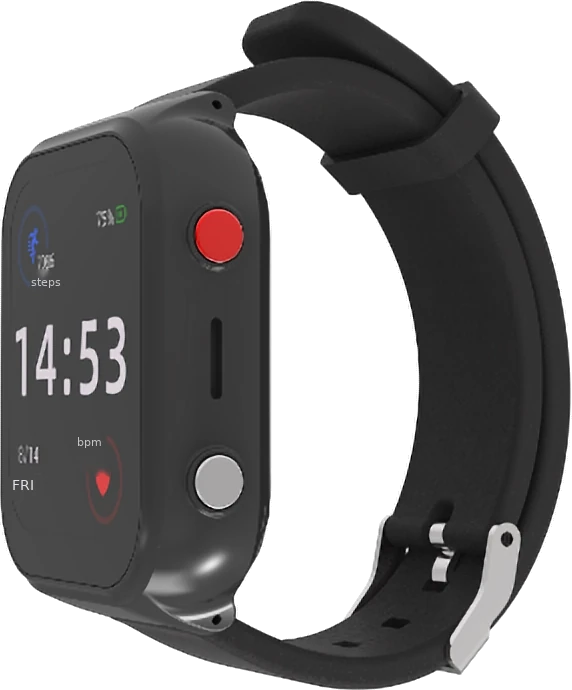
NSW-02 · GPS, LoRa and BLE, SOS and fall alarm
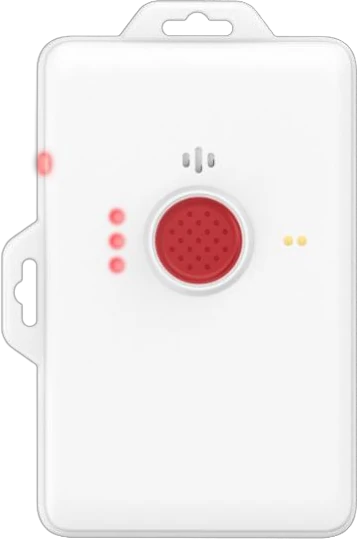
NSB-06 · GPS, Wi-Fi and BLE, SOS and man-down, up to 7 km
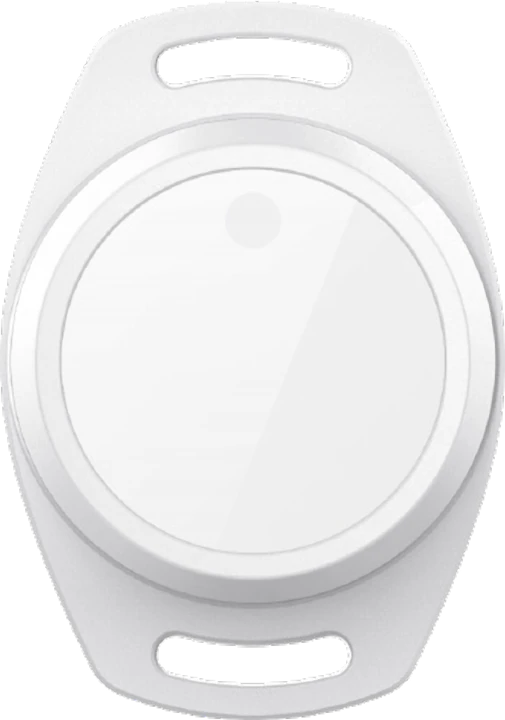
NNA-01 · IP67, 8+ year battery, up to 150 m
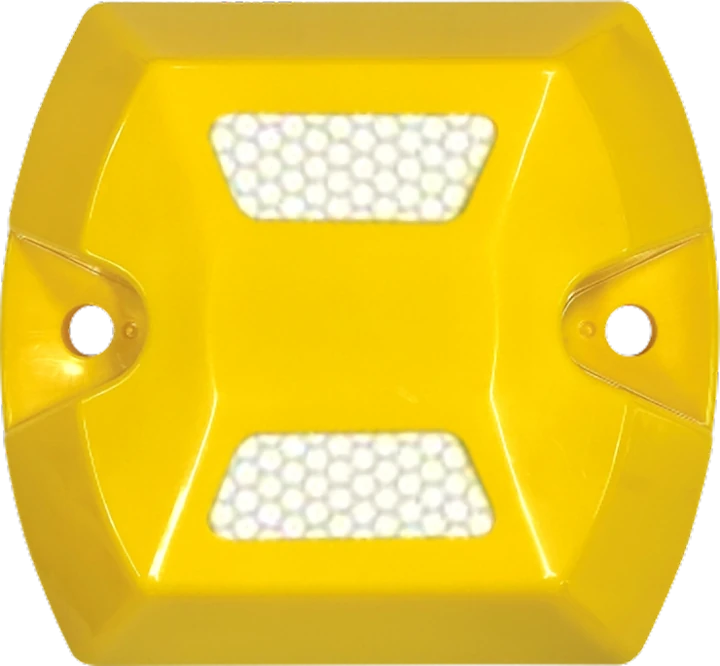
R1 · set in site roads and gates, IP68, IK10, 10+ years
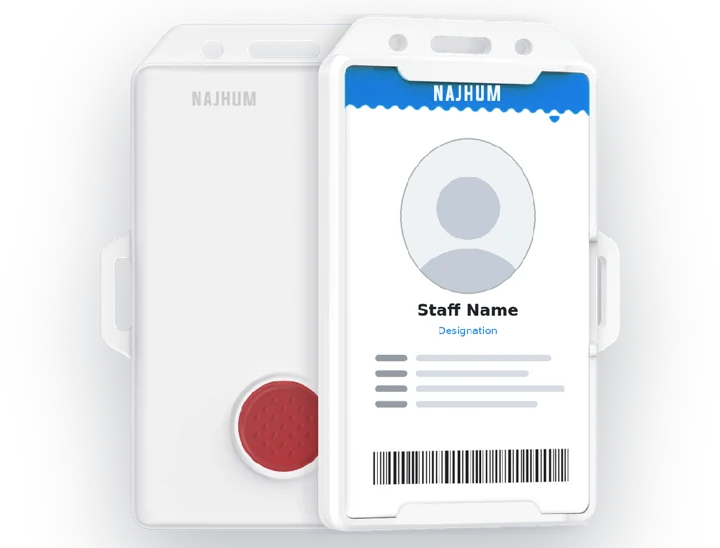
NSB-02 · holds the ID card, SOS, RFID, 5-year battery
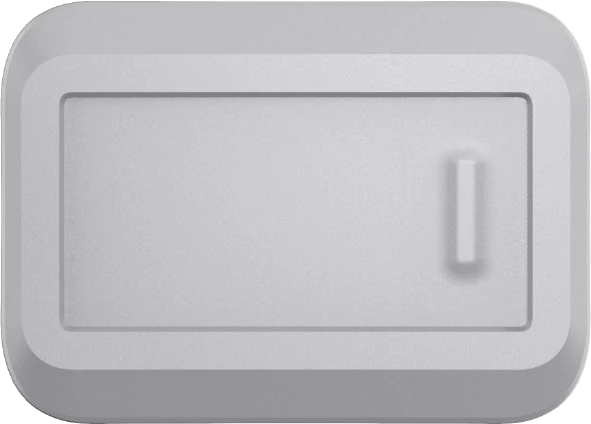
NHT-07 · fits inside the helmet, SOS, buzzer, RFID
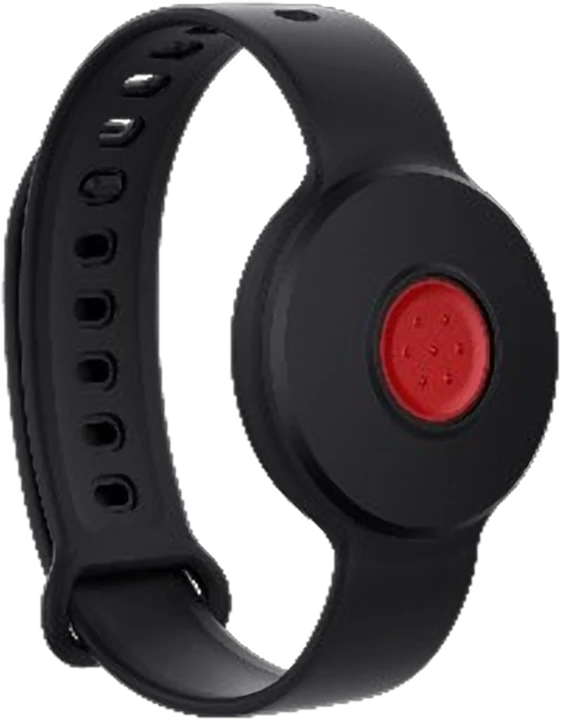
NWB-06 · call button, RFID, IP67, about 1.5 years
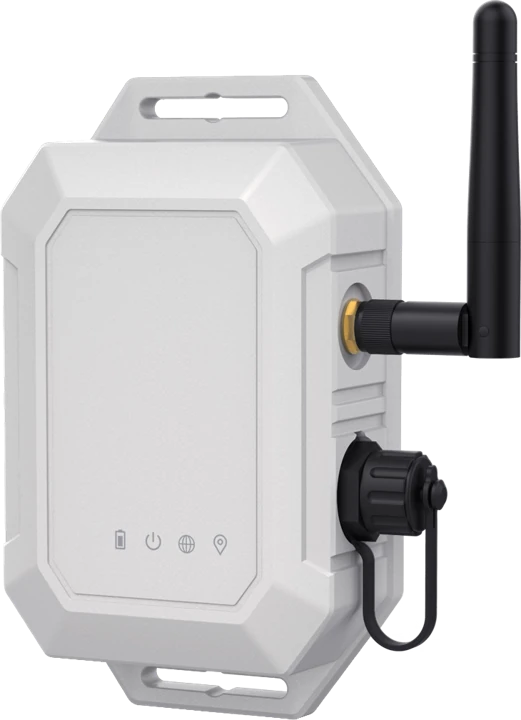
NGW-04 · reads every badge within 280 m, 4G or NB-IoT, IP67
The 3C data experience
Positions, SOS presses, falls, movement and zone entries from every watch, badge, helmet tag and wristband, indoors and out.
LoRaWAN for kilometres outdoors, BLE gateways and AoA locators indoors, installed and managed by us. Cloud or on-premise.
One dashboard with role-based views: HSE sees alarms, operations sees crews, HR sees hours. Alerts escalate on a defined L1–L4 path.
Paid hours, verified
Timesheets and gate swipes do not show time on the job. Enter your own figures to see what a small gap costs over a year.
Your figures, your calculation. It shows potential, not a promised saving.
Paid time not spent on site, per year
0AED
Verified hours on the same platform · 0 AED a month
What the data delivers
01Every evacuation
A live headcount at every assembly point, and the name and position of anyone still inside.
For HSE · fire wardens
02Every alarm
SOS presses and falls arrive with the exact location, so help goes straight to the person.
For HSE · supervisors
03Every crew
Live numbers per tower, floor and yard, with alerts when a zone is over its limit.
For operations · planners
Basement located by BLE beacons, no GPS needed.
04Every contractor
Time on site per contractor and zone, checked against timesheets before invoices are paid.
For HR · commercial
| Contractor | Timesheet | On site |
|---|---|---|
| Steel crew | 420 h | 412 h |
| MEP crew | 360 h | 318 h |
| Façade crew | 240 h | 236 h |
| Cleaning | 80 h | 61 h |
05Every danger zone
Geofences around cranes, live rooms and confined spaces buzz the person and alert the supervisor.
For HSE · site managers
06Every month
Response times, muster drills, breaches and incident replays, exported for audits and clients.
For HSE · leadership
Widget readings are illustrative.
Try it. This is IoTRICs during an evacuation on a construction site: six people are still inside, and one has fallen. Open the alert, find them and send help.
WED, 18 NOV 2026 · 14:06 GST
3 items need you. Everything else is normal.
WED 18 NOV · TOWER B PROJECT · TOWER B · LEVEL 4 · WORKER 087
Worker 087 fell on level 4 and has not moved. Five others are walking out. Supervisor Omar is 40 m away.
212of 218
At muster point A · alarm at 14:01
Read together: a worker is down, not a lost watch. The nearest supervisor is 40 m away on level 4.
IOTRICS
This preview covers one use case. Our team can walk you through the complete IoTRICs dashboard, set up for your own site.
Interactive preview with illustrative data. Tap the red alert, send the supervisor, and watch IoTRICs account for everyone.
Every worker, visitor, zone and alarm on one IoTRICs dashboard.
The right person hears first, by app, SMS or call, day and night.
Readings from different systems combined into one alarm with a likely cause.
Connect any sensor or controller brand, with no vendor lock-in.
Muster, incident, attendance and zone reports, exported in a click.
Your data anytime, anywhere, for every team.
Why Najhum





It depends on the site. Large outdoor projects use LoRaWAN wearables with GPS and BLE beacons; buildings use BLE zone tracking; areas that need the exact spot use AoA. Many sites mix them. We decide after a site survey.
Yes. Switch the site to shelter mode and IoTRICs counts people per shelter or protected room, lists anyone not yet inside one with their last position, and keeps a timed record for your emergency plan and drills.
Wearables report over a private LoRaWAN and Bluetooth network on your site, not the mobile network, and badges store their records when out of coverage. Gateways can run on battery or solar, and with the on-premise option the dashboard keeps working without the internet.
Yes. In basements, stairwells, cabins and tower floors, wearables report the nearest BLE location anchor instead of a GPS fix, and our location engine places the person. It also saves battery.
Coin-cell BLE badges and wristbands run for one to five years. Rechargeable LoRaWAN badges and watches run for days to months per charge, depending on how often they report.
No. Tracking is limited to the site and working hours agreed with you, and wearables can be docked at the gate. Data access is role-based and follows your privacy policy.
No. It supports your evacuation and safety procedures with headcounts and positions. Certified fire alarm and emergency systems stay in place.
With a site survey: we walk the site with HSE and operations, choose the technology for each area, and agree the emergency and privacy rules. Then a pilot zone, with your own drill to measure muster time, before rolling out to the whole site.
A walkthrough with HSE, operations and IT, a site survey to choose the right technology, then a defined pilot zone.