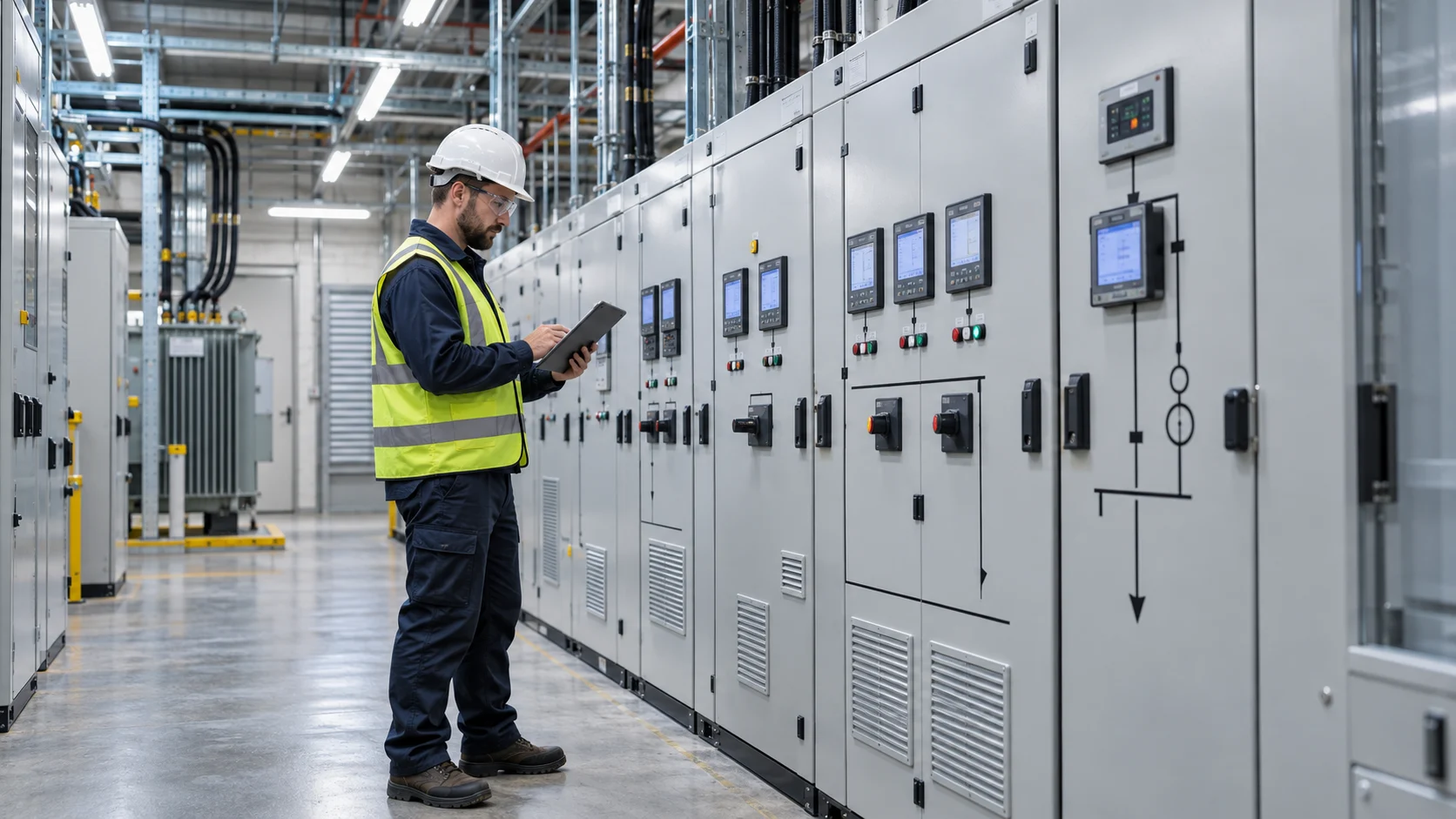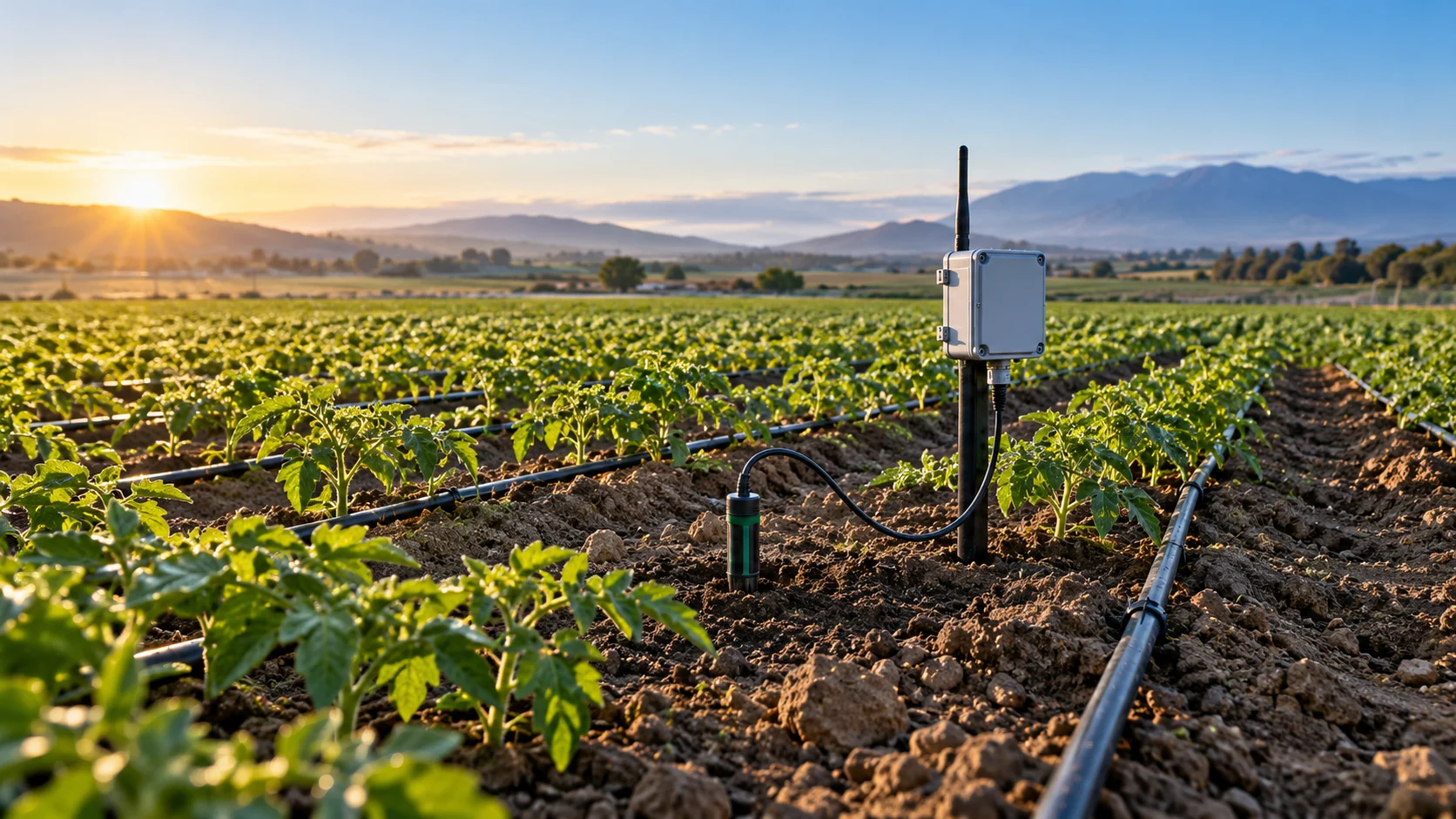
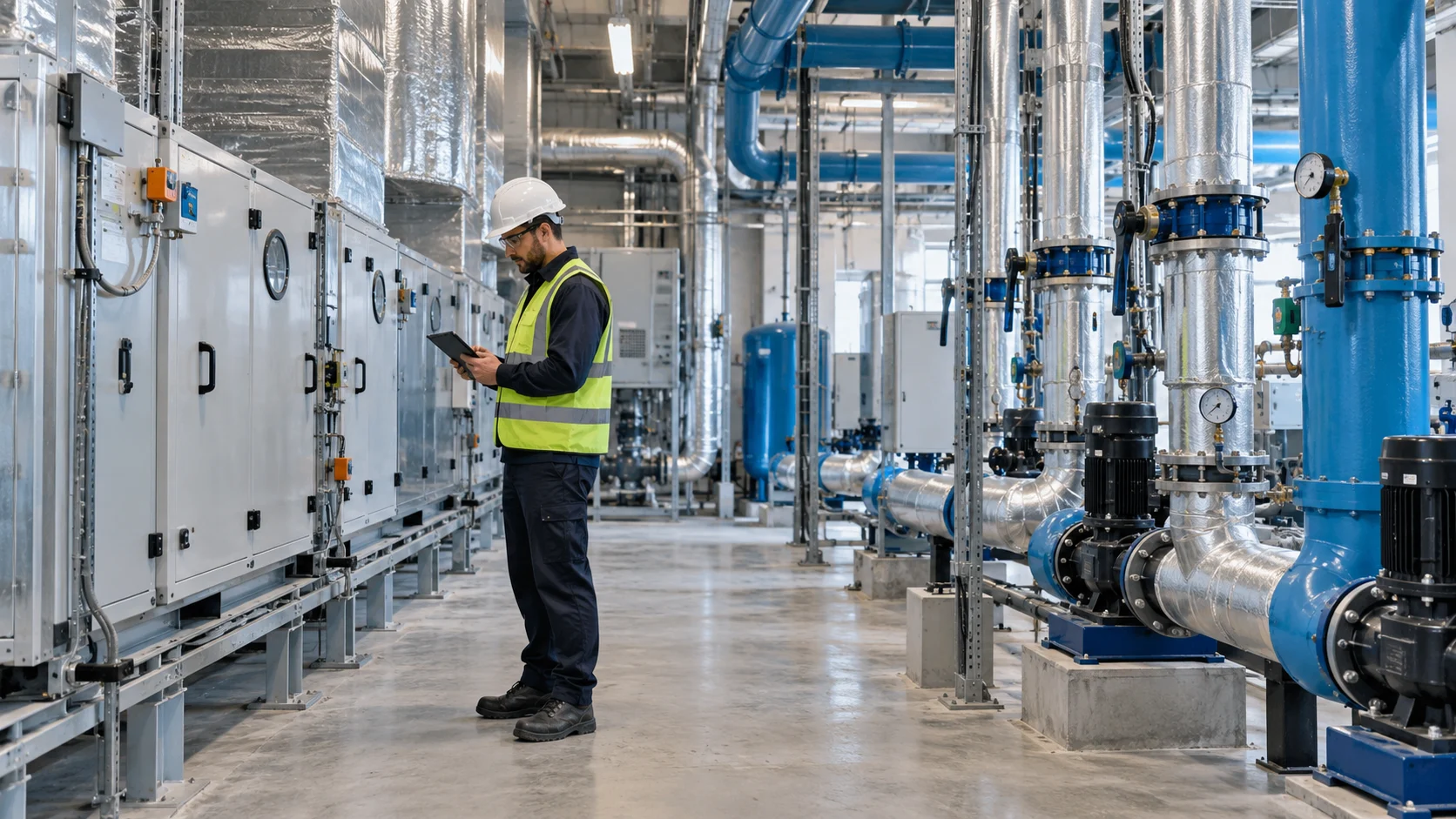
Buildings are experienced through everyday details: a comfortable meeting room, reliable water supply, working ventilation, and equipment that receives attention before an issue becomes disruptive. A monitoring project is most useful when it connects those experiences to the systems the facilities team manages.
Begin by mapping the services people depend on. The aim is to give the team a clearer investigation path when something changes, while keeping the project manageable enough to commission and maintain properly.
Prioritise services before selecting devices
List the building’s main operational concerns and rank them with the facilities team. A hotel may prioritise guest-room comfort and refrigeration. An office may focus on air-handling schedules and water systems. A storage facility may care most about conditions in particular zones.
For each concern, identify the equipment involved, the current inspection process, and the person who owns the response. This helps determine whether the next step is additional sensing, access to existing building-management data, or a change to the maintenance workflow.
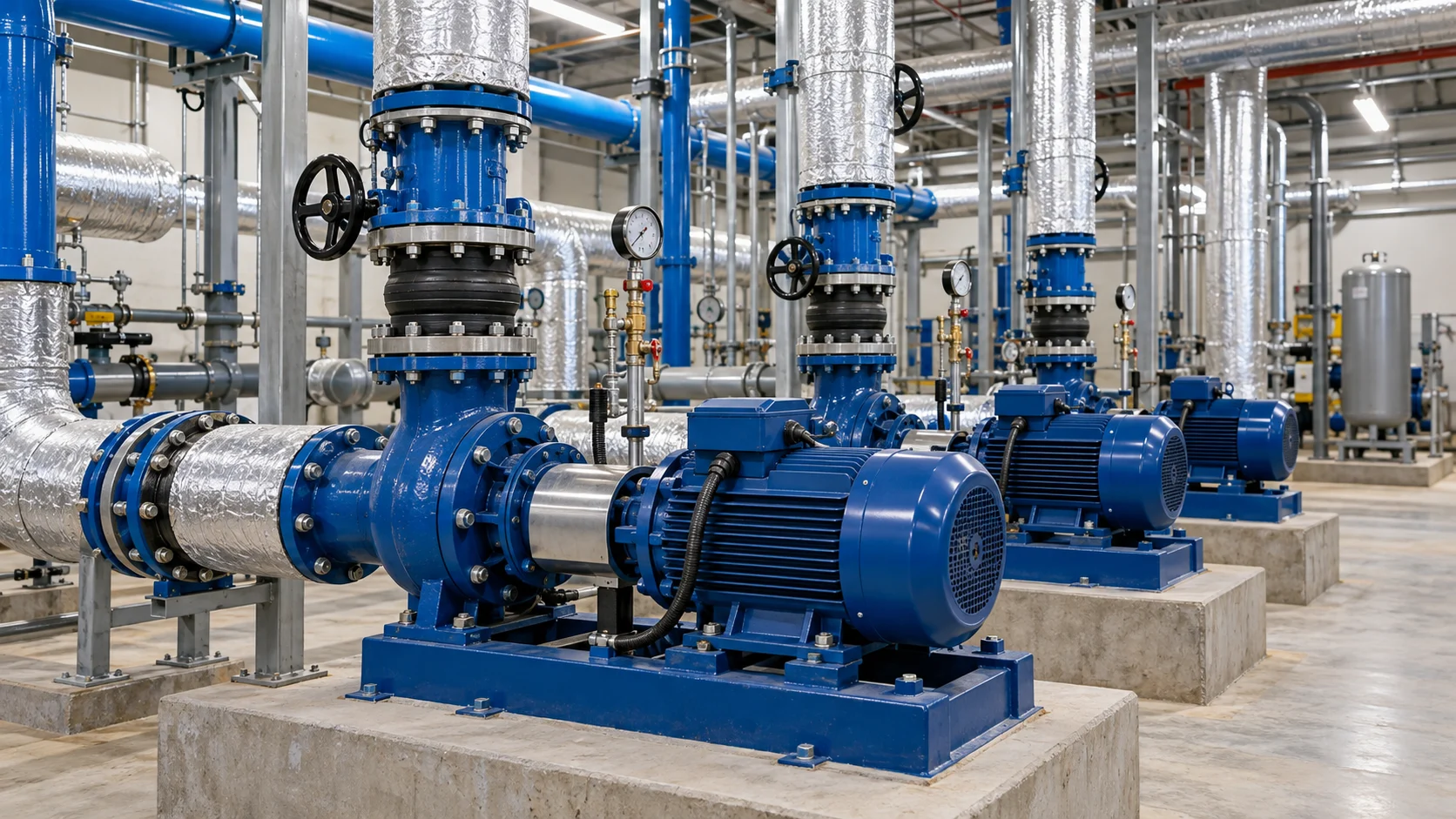
Use HVAC monitoring to support investigation
The U.S. Department of Energy describes HVAC commissioning as checking whether building systems operate in accordance with their design and engineering requirements. Monitoring should support that verification, with readings that can be interpreted against the intended operating sequence.
For example, if an air-handling unit runs after its expected schedule, the investigation should consider occupancy requirements, override settings, and the control sequence. A running signal alone does not establish that the equipment is wasting energy or operating incorrectly.
Give water events enough context
Water monitoring can involve different questions: Is a tank level changing as expected? Is a pump available? Is a suspected leak indication linked to a particular area? Define which question each measurement answers and how the team will verify an exception.
Develop a simple response plan for each monitored system. Identify the contact person, the inspection location, and the escalation route. Where automatic control is proposed, have the relevant specialists review the control logic and its failure behaviour before it is enabled.
Avoid a dashboard full of unexplained numbers
Organise the interface around the building’s layout and services. Asset names should match the labels used by maintenance staff. Show units, recent trends, and the age of the latest reading so the team can understand whether the information is suitable for a decision.
Use a consistent naming convention for floors, zones, and equipment.
Document which sensors represent a room and which represent equipment.
Review thresholds with the team responsible for responding.
Keep a record of investigations and the actions taken.
Review the operating process after the pilot
Start with one service or building zone and review the results with facilities staff. Ask whether alerts were understandable, whether the right person received them, and whether the information reduced uncertainty during an inspection.
A successful pilot should leave behind more than a dashboard: an asset map, a maintained set of measurements, and a response process that the next shift can follow.
Explore IoTRICs or talk to Najhum about your building’s monitoring priorities.